
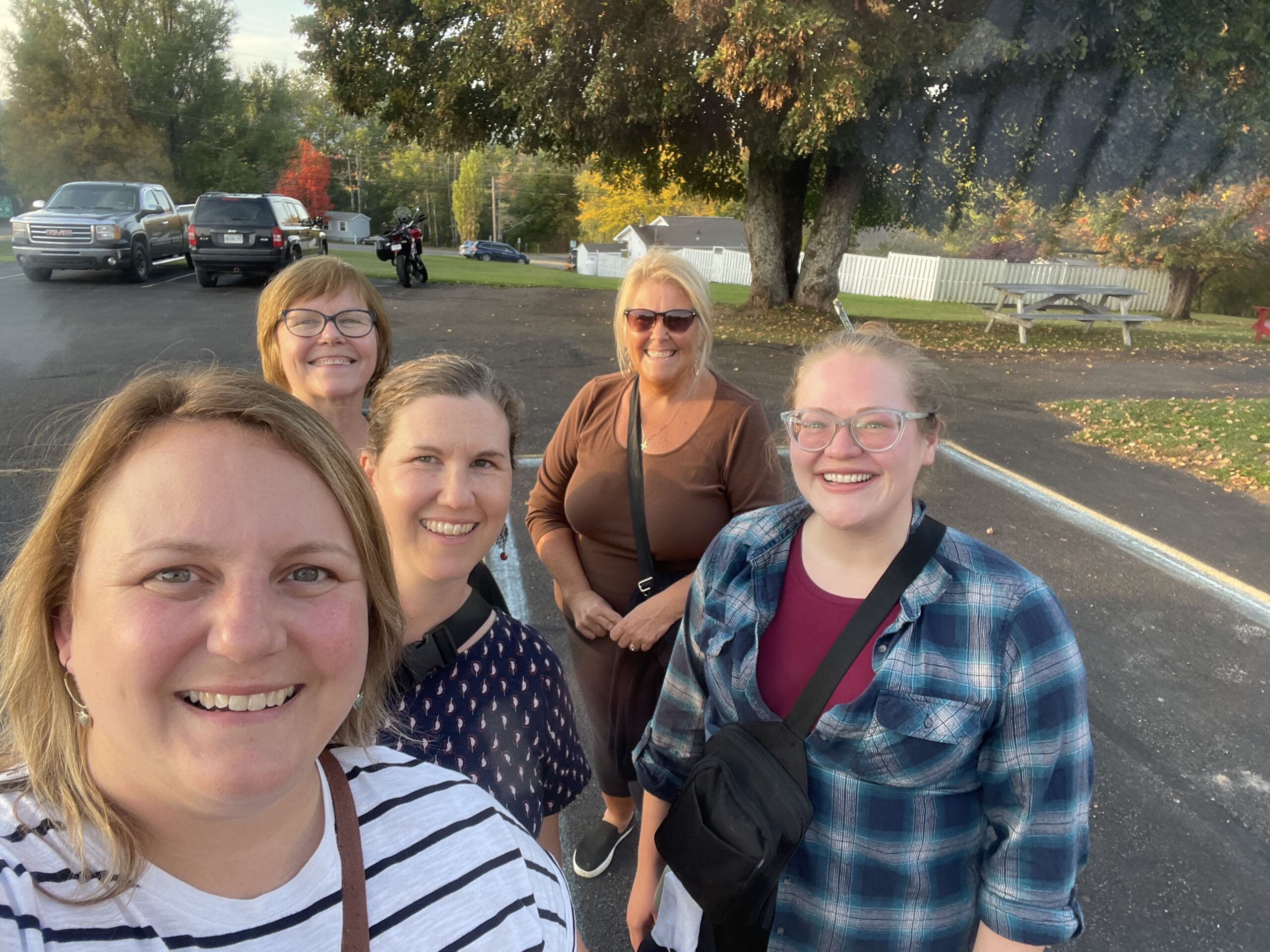
L to R: Dawn Parks – Outreach and Communications Manager, Shirley Ann Burdock – Executive Director, Meagan MacDonald – Community Wellness Lead, Phyllis MacLellan – Intergenerational Lead, Erin Henderson – Information Systems and Special Projects Manager, Photo Credit: Aging Well NS.
March 31, 2026 — Across Nova Scotia, communities are working to ensure older adults can age well where they live. With funding from the Mental Health Foundation of Nova Scotia, Aging Well Nova Scotia is expanding access to Mental Health First Aid training designed specifically to support older adults.
Aging Well Nova Scotia is a province-wide organization that supports groups serving seniors throughout the province.
“Our work focuses on supporting organizations that serve older adults,” says Meagan MacDonald of Aging Well Nova Scotia. “We provide education opportunities, networking, and support for organizations that are often run by volunteers and older adults themselves.”
The grant from the Mental Health Foundation helped train eight facilitators — four Aging Well Nova Scotia staff members and four community partners — to become certified instructors in Mental Health First Aid Supporting Older Adults, with the first community trainings expected to begin in late spring. While Mental Health First Aid training exists in several forms, there aren’t as many people who are trained in this particular specialization.
“There aren’t many people in Canada trained in this particular program,” MacDonald says. “Access to that training hasn’t been widespread, so this funding gave us an opportunity to build that capacity here in Nova Scotia.”
Because Aging Well Nova Scotia is connected to senior-serving organizations across the province, the training can reach communities where older adults regularly gather and connect.
“It’s an opportunity to spread the training across the province and make sure it reaches communities that need it,” MacDonald says. “That’s also why we trained community stakeholders alongside our staff — it’s not just something we keep in-house.”
Mental Health First Aid training equips participants with practical tools to recognize when someone may be experiencing mental health challenges and to respond with confidence and care.
“I see mental health first aid as building confidence,” MacDonald says. “It helps people feel empowered to take the next step when they notice someone struggling — whether that’s a neighbour, a family member, or someone they see regularly in their community.”
MacDonald says several factors affecting older adults’ well-being helped highlight the need for this training, including transportation barriers, social isolation, and the growing digital divide.
“Transportation can be a challenge. Social isolation increased during the pandemic, and many older adults are still rebuilding those connections,” MacDonald says. “And then there’s the digital divide — many services are moving online, which can create another barrier.”
To help address these challenges, Aging Well Nova Scotia is adapting the training so it can be delivered in person over two days. Often offered virtually, the organization recognized that online delivery could limit participation for some seniors and community groups.
“We wanted to remove that digital barrier and create opportunities for people to learn face-to-face,” MacDonald says. “It also allows participants to connect with each other and talk about the resources that exist in their own communities.”
Although rural communities are often associated with isolation, MacDonald notes that older adults in urban areas can face similar challenges.
“In a city, you can still feel very isolated even when you’re surrounded by people,” she says. “That’s why these skills are important everywhere. It’s about building the confidence to start conversations about mental health and recognize when someone might need support.”
The eight newly trained facilitators are now working together through a community of practice, and have started meeting regularly to share experiences and refine how the training is delivered across Nova Scotia.
“This funding is a huge capacity builder for us,” MacDonald says. “If we can stay resourced enough to continue delivering courses each year, we can maintain our certification and keep growing the program.”
Ultimately, the goal is to help communities better support the mental wellness of older adults.
“Mental health first aid reminds people that they don’t have to solve everything,” MacDonald says. “But they can recognize when someone might need help, start a conversation, and take that next step. Those small actions can make a real difference in a community.”
Through its community grants, the Mental Health Foundation of Nova Scotia supports programs like this across the province — investing in initiatives that strengthen connection, compassion, and mental wellness in communities large and small.
Learn more here.
This story was first published on March 31, 2026 in the Chronicle Herald’s Senior Living column.